“Adding channels” on OpenView means something different to DStv
On DStv, adding a channel usually means upgrading your monthly package. On OpenView, there’s no package to upgrade: every channel in the current line-up is already included in the once-off cost of the decoder. So when someone asks us how to add channels on OpenView, what they actually need nine times out of ten is a channel rescan, not a subscription change. The channels haven’t been switched off by anyone; the decoder has simply stopped seeing all of them, usually because of a scan that never completed or a signal hiccup that dropped a few off the list.
It’s a useful distinction to keep in mind before you start troubleshooting, because it changes what you’re actually looking for in the decoder’s menu.
How to rescan and restore missing channels
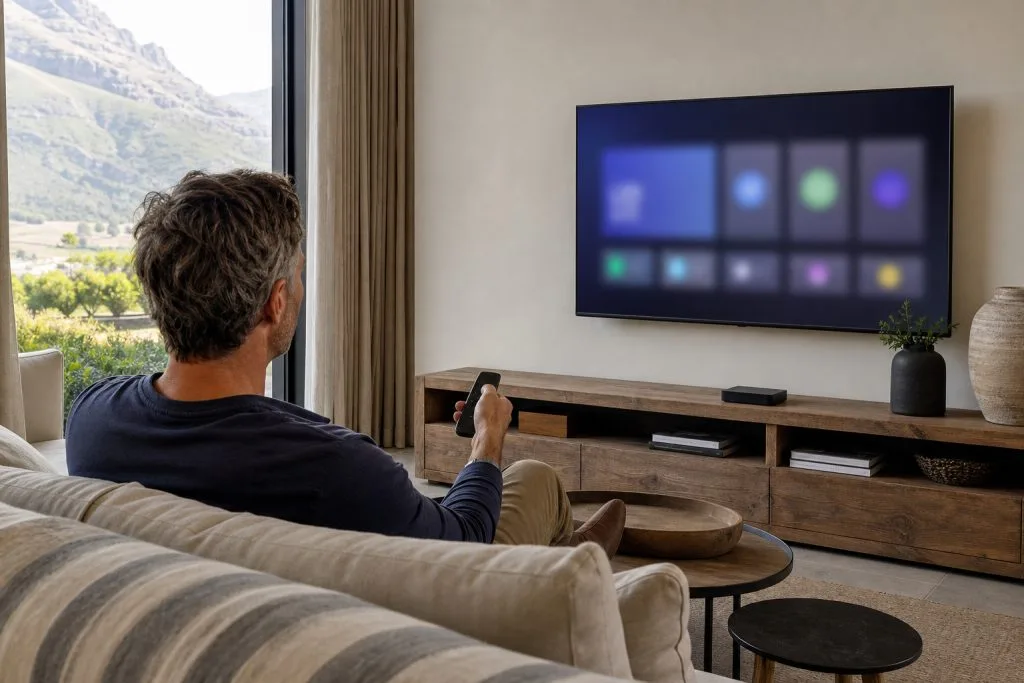
Every OpenView decoder has a channel search function tucked into its settings menu, sometimes labelled Auto Scan, Channel Search or Installation, depending on the model. Head into the decoder’s Settings menu from the home screen, find that option, and confirm you want to start a search. The decoder will then work through its satellite frequencies and rebuild its channel list from scratch, which typically takes a few minutes. Leave it alone while it runs: interrupting a scan partway through can leave you with an even more incomplete list than you started with.
If a standard rescan doesn’t bring everything back, the next step up is a factory reset. This clears the decoder’s settings entirely and forces a completely fresh channel search on restart, which resolves the odd cases where the channel list itself seems to have become corrupted rather than just incomplete. You’ll find the reset option under Settings, usually requiring a PIN: try 0000 or 1234 if you’ve never changed it, since those are the common defaults on OpenView decoders. Bear in mind a factory reset also clears any favourites or parental settings you’ve configured, so it’s worth trying a plain rescan first.
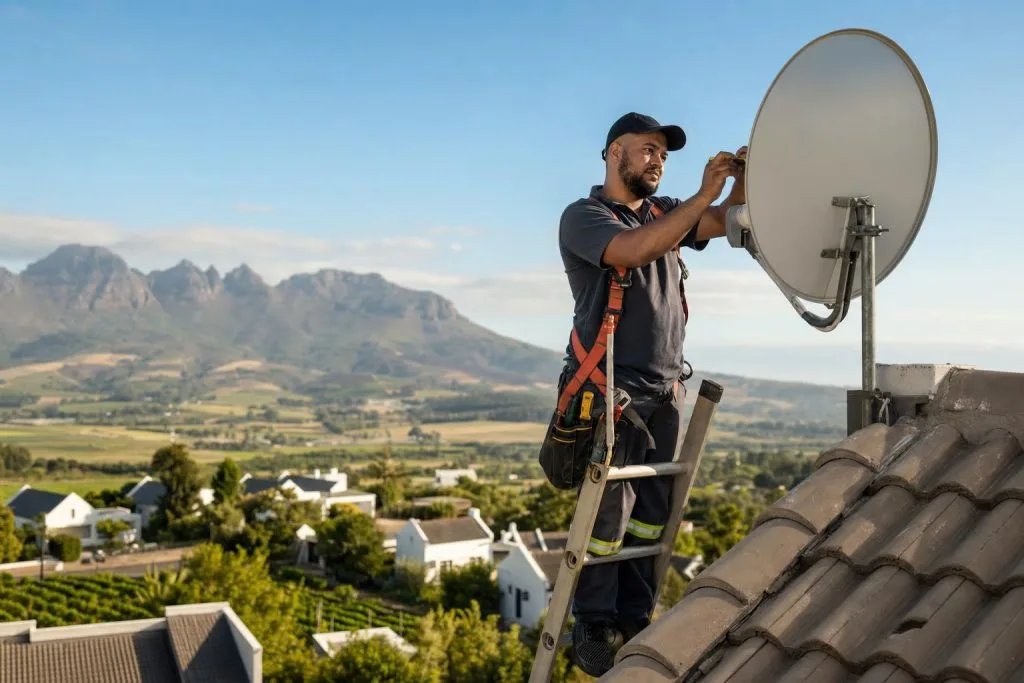
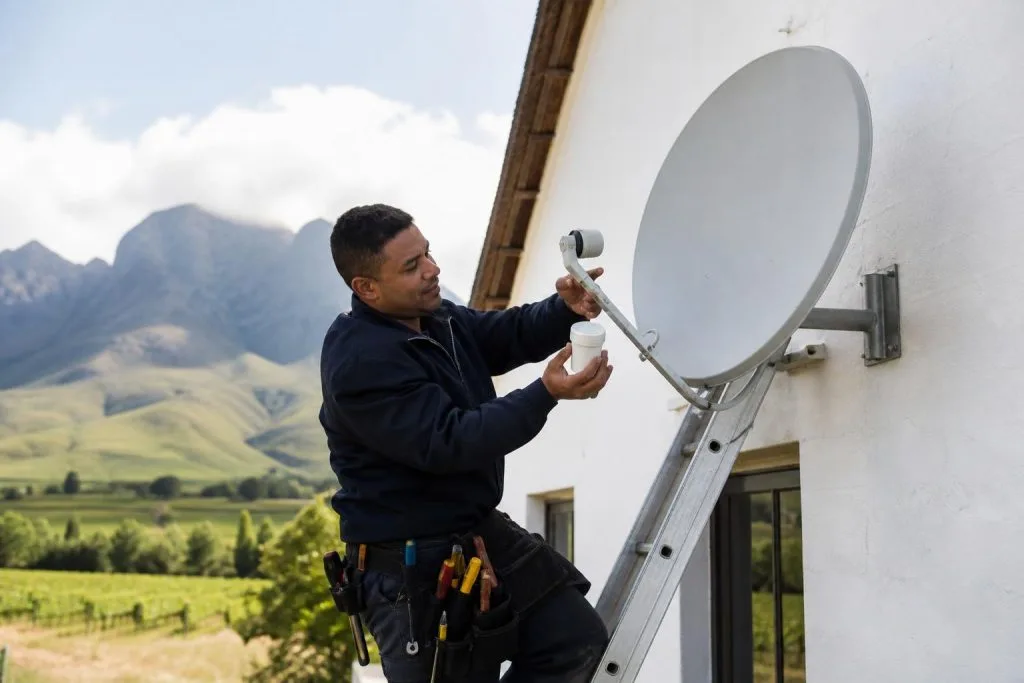
One thing a rescan won’t fix: if the underlying satellite signal is weak or the dish has drifted out of alignment, the search will simply confirm fewer channels each time you run it. Our guide to fixing OpenView signal problems covers how to check and correct that side before you bother rescanning again.
Where firmware updates fit in
OpenView occasionally reshuffles its channel map: a channel moves position, a new one is added, or broadcast parameters change slightly. Your decoder needs current firmware to correctly recognise those changes, and in most cases it pulls updates automatically during a routine reboot, including the reboot that happens right after activation. If your decoder has been powered off for an extended stretch, or sat unused for months, it can fall behind on updates and then genuinely need a manual nudge: usually delivered by leaving it powered on and connected overnight, or by running the channel search again once it’s back online, which often triggers the update check as part of the process.
Firmware is also the reason a “new” channel occasionally can’t be added manually no matter how many times you rescan: it simply isn’t in your decoder’s software yet, and only a firmware update, not a channel search, will introduce it.
Why do channels disappear in the first place?
Beyond weak signal and outdated firmware, a few other things quietly thin out a channel list over time: a power surge or unstable supply during load-shedding switch-overs can corrupt the decoder’s stored channel data without causing any other obvious symptom, a botched or interrupted rescan can leave the list half-built, and very occasionally a decoder’s internal storage starts failing with age, which shows up as channels vanishing gradually rather than all at once. If it’s the last one, no amount of rescanning fixes it permanently, and it’s a sign the decoder itself needs to be looked at rather than its settings.
Frequently asked questions
Do I have to pay to add more channels on OpenView?
No. There’s no subscription tier to unlock more content: every channel in the current OpenView line-up is already available on any properly activated decoder. If channels are missing, it’s a technical fix, not a billing one.
How often should I rescan my OpenView decoder?
There’s no fixed schedule, but it’s worth running a rescan if you notice a channel missing, after any extended power outage, or if you hear OpenView has updated its channel line-up. Otherwise, once it’s set up correctly, most decoders don’t need repeat scans for months at a time.
Will a factory reset delete my recordings or settings?
It clears saved settings such as favourites and parental controls and forces a fresh channel search, but it won’t affect the channels themselves: those simply repopulate during the scan that follows.
Can I add DStv channels to an OpenView decoder?
No. OpenView and DStv decoders run on separate platforms with separate channel authorisations: an OpenView decoder will only ever show the OpenView line-up, regardless of what settings you change. If you are pricing an OpenView box to replace a DStv one, our OpenView decoder price guide covers the hardware and installation cost.
My rescan found fewer channels than before. What now?
Check your signal strength and quality on the HELP screen before doing anything else. A scan that finds fewer channels than a previous one is almost always a signal issue rather than the decoder losing access to content it previously had.
Curious what a complete channel list should actually look like once everything’s scanned in correctly? Our full OpenView channels list sets out every channel and genre you should be seeing. And if the decoder itself needs activating from scratch, start with our OpenView activation guide.
If a rescan, reset and a firmware check still haven’t brought your channels back, the fault is probably sitting in the signal chain or the decoder hardware itself, and that’s where DSTV Franschhoek comes in. We diagnose and fix OpenView faults across Franschhoek and the valley, usually same-day. Book our OpenView installation and repair service, or call/WhatsApp 079 754 5527 as your local DStv and OpenView installers in Franschhoek.
If channels are missing after a rescan, the dish alignment is the usual culprit. We handle OpenView setup and repairs in Franschhoek and can realign an existing dish rather than replacing it.
Need a DSTV technician?
Same-day DSTV installation, signal repair and Explora setup across Franschhoek and the Cape Winelands.