Mon–Sat · Same-day available Franschhoek & the Cape Winelands
Home/Communal DSTV Installation

Communal DSTV Installation in Franschhoek

Communal DSTV systems for apartment blocks, sectional-title complexes, estates, flats and multi-unit dwellings, one centralised dish, DStv Switch distribution to every unit's TV point. Cleaner-looking buildings, simpler maintenance, fewer roof-side calls when tenants move in or out.

Communal DSTV Installation

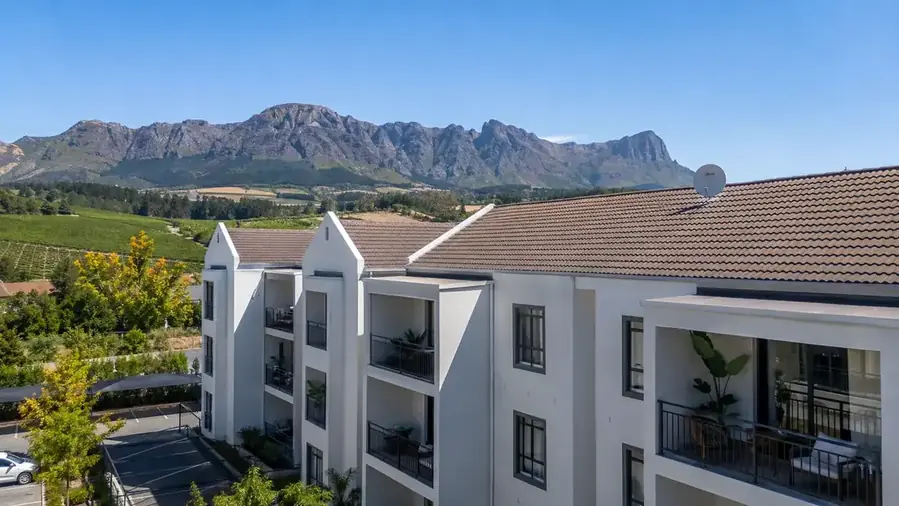
Apartment blocks, sectional-title complexes, estate housing, retirement villages and multi-unit dwellings across Franschhoek, Paarl and the wider Cape Winelands can share one well-installed dish system between all the units. We design, install and maintain communal DSTV systems with DStv Switches for clean multi-unit signal distribution.

Why communal beats per-unit dishes

An apartment block or estate where every owner installs their own dish ends up looking terrible, and most body corporates explicitly prohibit it. A properly designed communal system uses one well-mounted dish on the roof or in a discreet position, feeding a DStv Switch that distributes the signal to every unit's TV point. Each owner plugs their own decoder into their TV point and they're up and running: no roof-side work needed when a tenant moves in or out.

This also massively simplifies maintenance: one dish to keep aligned, one set of weatherproofing to maintain, one cable run that can be inspected and replaced as a single job. Compare that to chasing 30 individual dishes around a block.
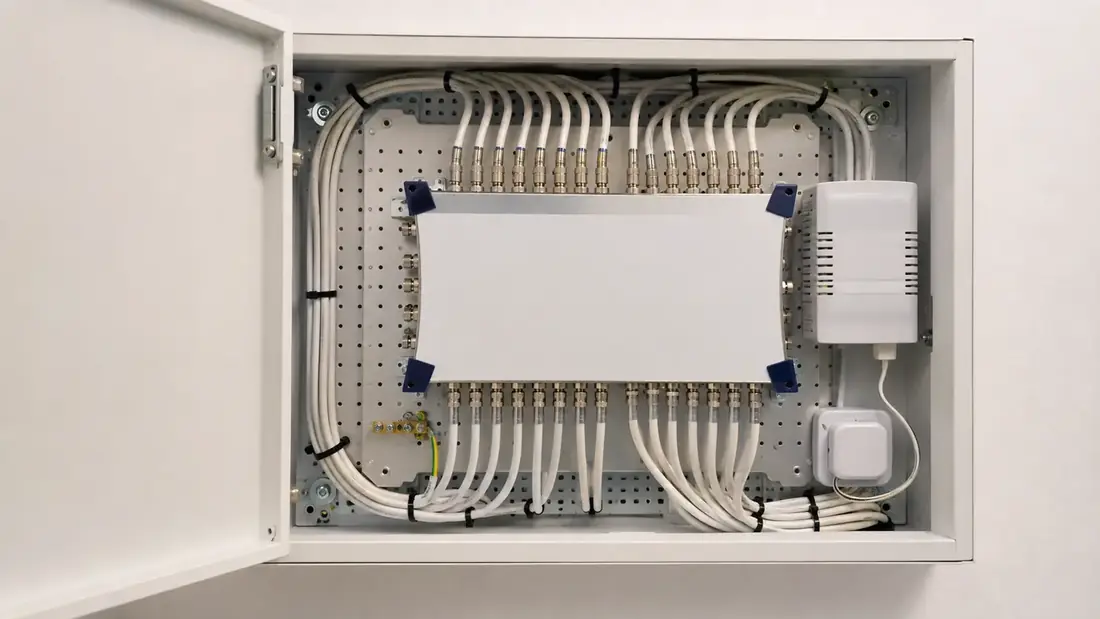
DStv Switch unit distributing satellite signal to multiple units

What we install for a communal system

A complete communal DSTV install includes the centralised dish (sized for the number of units), multiswitch / DStv Switch for signal distribution, backbone cabling through risers or external trunking to every TV point, per-unit wall plates in each apartment, full signal testing at every plate, and a handover document for the body corporate listing what's where (so future technicians can troubleshoot quickly).

If an individual owner wants Extra View linking two decoders within their unit, that runs off the communal feed using the same logic as our standalone XtraView setup. Smart-LNB-based Explora systems on the communal feed work too with the right switch hardware: see our Explora installation page.
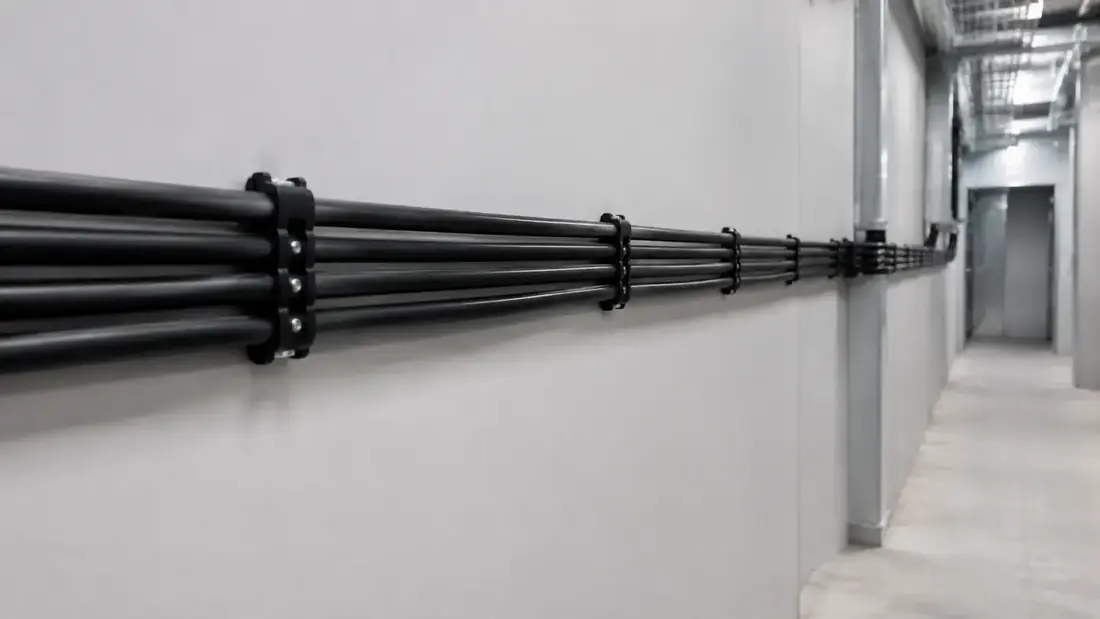
Neat communal cable trunking running between flats

Upgrades, fault finding and ongoing support

Older communal systems often need an upgrade, original universal LNB needs swapping to Smart LNB so units can run Explora, multiswitches age out and start losing signal on lower floors, or storm damage takes out a cable run. We diagnose communal faults systematically (dish → switch → backbone → per-unit drops), quote up-front for whatever needs replacing, and complete the work during business hours with minimum disruption to residents.

Body corporate or managing agent organising the install? Request a quote or WhatsApp 079 754 5527: we'll do a free site survey and quote on the full system, including hardware, labour and ongoing maintenance options.
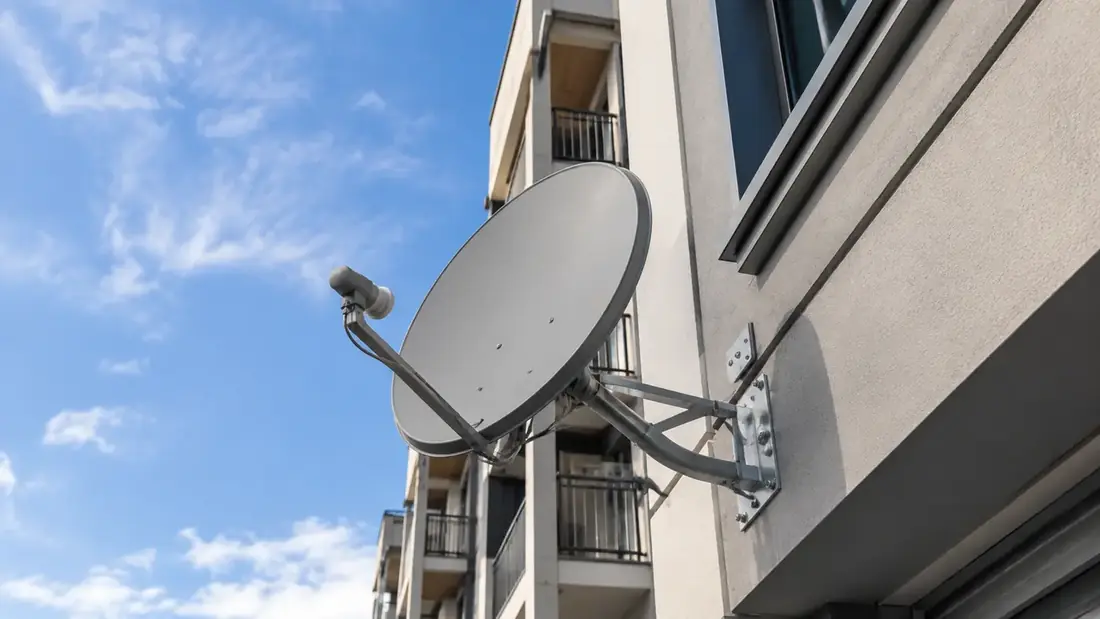
Sectional-title block with shared DSTV distribution system

What's included

Every job is tested and signed off before we leave.

Communal dish system
Signal distribution
Multi-unit connection
DStv Switch setup
System upgrades
Fault finding

Get a free quote

Prices depend on equipment, TV points, cabling & access, we'll quote upfront.

Request A Free Quote

What affects the cost of a communal DStv system

Communal systems are priced on the number of units and the distance the signal has to travel, and almost always start with a site survey rather than a phone quote.

Number of units

The unit count drives the distribution hardware and the amount of cable. It is the single biggest factor in the quote.

Distance and building layout

Blocks, cottages and units spread across a farm or estate need more cable and more amplification than a single compact building.

New system or upgrade

Installing from scratch differs from taking over a tired existing system, where part of the job is establishing what is actually still usable.

Head-end position

The shared dish and distribution equipment need a position with clear line of sight, weather protection, power and safe access for maintenance.

Per-unit points

How many outlets each unit needs, and whether existing internal cabling can be reused, changes the per-unit cost significantly.

Body corporate requirements

Estates and complexes often have rules on external fixtures, working hours and contractor access that affect how the work is scheduled.

We survey the property and quote against a written scope, which is usually what a body corporate or trustee meeting needs to approve the work. A properly designed communal system also ends individual owners each mounting their own dish.

Communal system problems we take over

Most communal callouts come from systems that were installed cheaply, then patched by whoever was available.

  • A forest of individual dishes because the communal system was never reliable enough to trust
  • Units at the end of the run with weak signal while those nearest the head-end are fine
  • Distribution equipment mounted somewhere with no weather protection or ventilation
  • No documentation, so nobody knows which cable feeds which unit
  • Amplification added incorrectly, which raises noise along with signal and helps nothing
  • Faults reported for months because there was no clear line of responsibility for maintenance

How a communal installation runs

  1. Site survey. We map the property, count units, check line of sight and identify where the head-end can safely live.
  2. Design and written quote. A documented design and scope you can take to the trustees or managing agent for approval.
  3. Head-end installed. Shared dish and distribution equipment mounted in a protected, ventilated, serviceable position.
  4. Distribution run. Cabling run in containment to each block or unit, with levels calculated rather than guessed.
  5. Per-unit commissioning. Every outlet tested and metered individually, so no unit is discovered to be weak months later.
  6. Documented handover. Labelled system, as-built documentation and a maintenance arrangement if the body corporate wants one.

Typical timeline: a small complex is often two to three days. Larger estates and farms with scattered units are phased and quoted per stage after the survey.

Good to know

Communal DSTV FAQs

What is a communal DSTV installation?+

A single shared dish and headend that feeds many units through a multiswitch or DStv Switch: ideal for flats, complexes and estates.

Do you install communal DSTV for complexes and estates?+

Yes, apartment blocks, security estates, guest farms and multi-unit developments.

How does a shared dish work for multiple units?+

One correctly-sized dish feeds a multiswitch that distributes the signal to each unit’s decoder, so residents don’t each need their own dish.

Can you upgrade an old communal system?+

Yes. We service and upgrade existing communal installations that are failing or outdated.

Do residents keep their own subscriptions?+

Yes, each unit keeps its own smartcard and DSTV subscription on the shared dish.

Which areas do you cover?+

Franschhoek and the wider Cape Winelands.

Ready to book your Communal Installation?